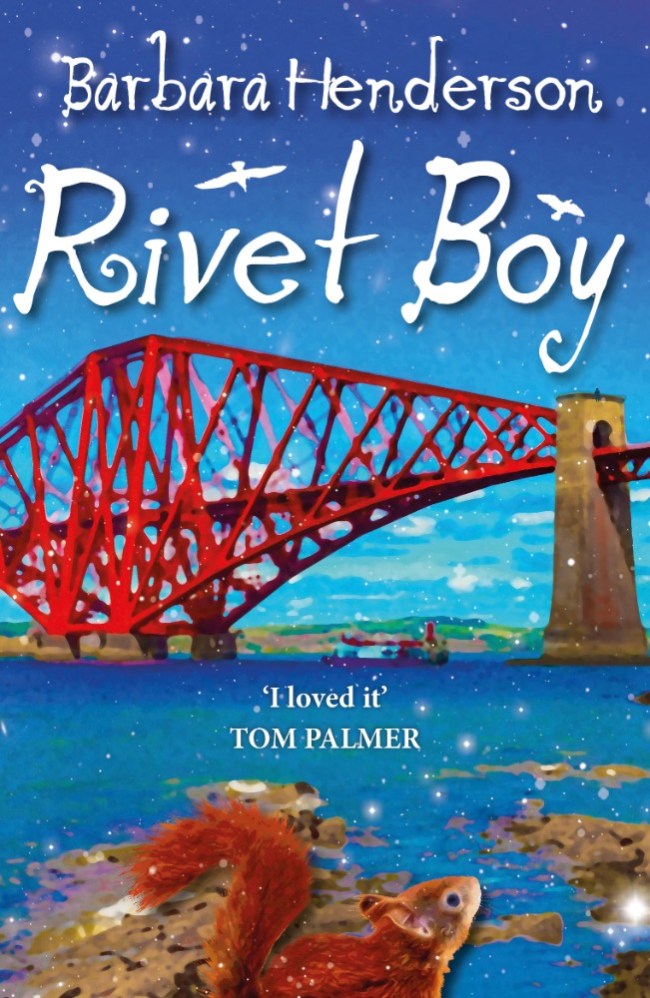
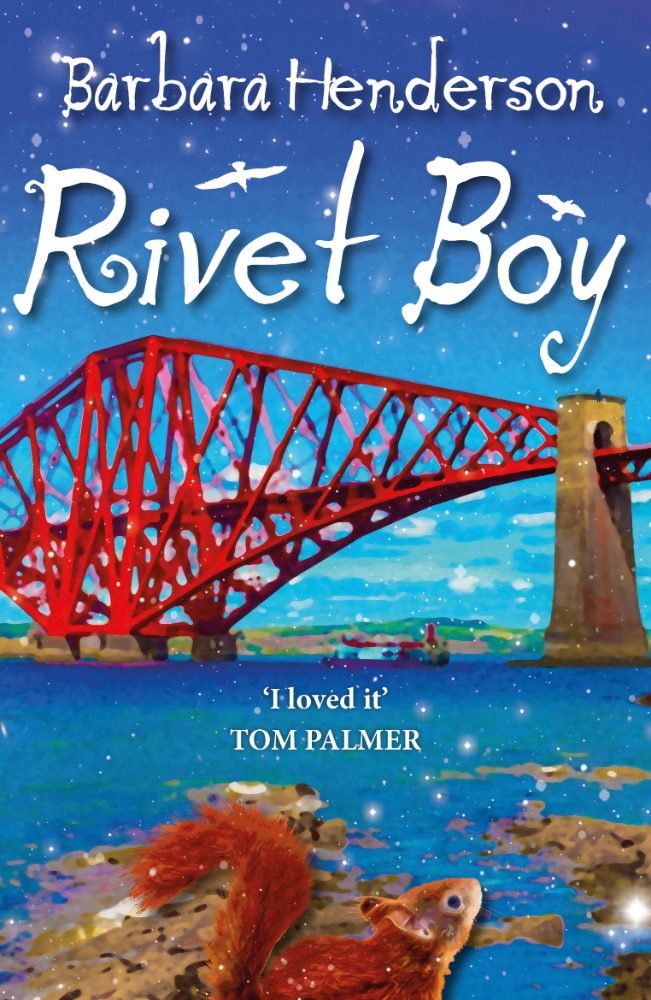
Rivet Boy by Barbara Henderson

With life having been a little bit complicated of late, I’ve tried really hard not to take on new blog posts, but when Anne Glennie got in touch from Cranachan about Barbara Henderson’s latest children’s book, Rivet Boy, I simply couldn’t refuse. You see, Barbara is one of the most talented children’s writers of the modern era and I love her books. Consequently, it gives me enormous pleasure to participate in the blog tour for Rivet Boy by sharing a guest post from Barbara as well as my review.

Published by Cranachan’s imprint Pokey Hat on 16th February 2023, Rivet Boy is available for purchase here.

Just to prove how much I enjoy Barbara’s books you’ll find:

My Review of The Reluctant Rebel here.

My Review of The Chessmen Thief here.

My review of Fir For Luck here (also one of my books of the year in 2016).

A smashing guest post from Barbara about Fir For Luck publication day here.

Another super post from Barbara about why a book launch matters to celebrate Punch here.

A guest post from Barbara about nature and my review of Wilderness Wars here.

A guest post about novels and novellas and my review of Black Water here.

Rivet Boy
Based on real people and events, Rivet Boy blends fact and fiction to tell the story of one boy’s role in the building of the iconic Forth Rail Bridge―Scotland’s greatest man-made wonder―in 1889.

When 12-year-old John Nicol gets a job at the Forth Bridge construction site, he knows it’s dangerous. Four boys have already fallen from the bridge into the Forth below. But John has no choice―with his father gone, he must provide an income for his family―even if he is terrified of heights.

John finds comfort in the new Carnegie library, his friend Cora and his squirrel companion, Rusty. But when he is sent to work in Cain Murdoch’s Rivet Gang, John must find the courage to climb, to face his fears, and to stand up to his evil boss.

Finding Rusty

A Guest Post by Barbara Henderson
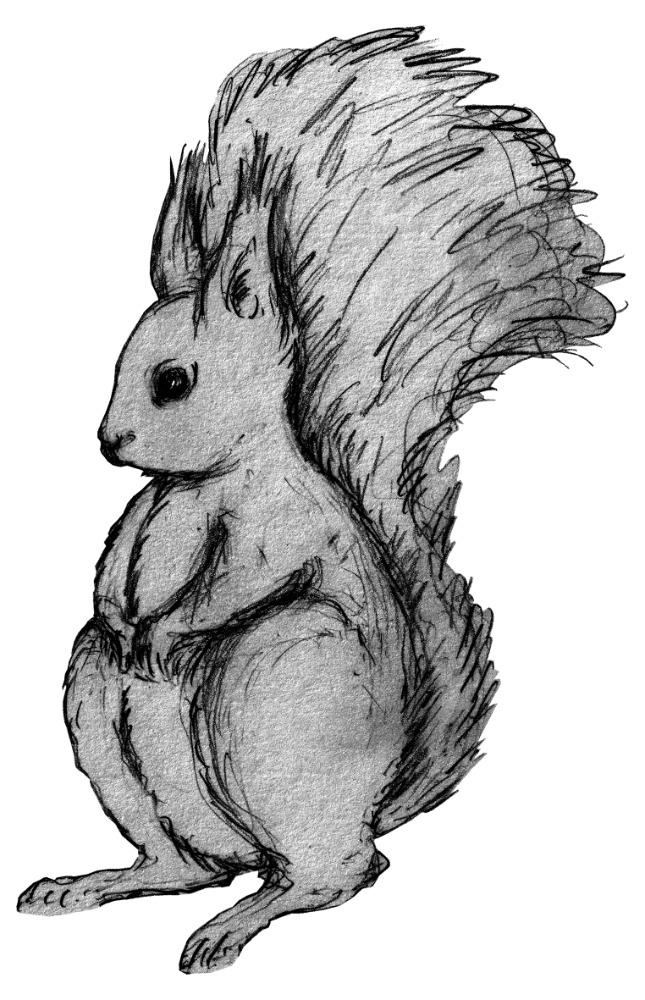
Every time I drew the curtains in my childhood home in Germany, I’d see the tower on top of the hill in the distance as my eyes glided over the thickly forested horizon. If I looked closer though, especially in the early mornings, there were squirrels in our garden, often taking over the bird feeder to the outrage of our resident robin. Streaks of rusty-red shot along fence tops and shook the branches as they jumped. I took those acrobatics for granted then.

Not any more!

I am lucky: where I live in the Highlands of Scotland, squirrels are still around – and we do get the red squirrels rather than grey. I hadn’t even seen a grey squirrel until I came to the UK as a student. Imagine my surprise when I was researching my latest book, Rivet Boy, and a squirrel made an appearance. I was researching the world of Victorian engineering – the construction site of the iconic Forth Bridge (now a world heritage site – ‘that red bridge’ in common parlance). It was a bamboozling world of rivets and cantilevers and struts and bays and lattices. Somewhere amid all the engineering jargon and tales of fatalities and grim Victoriana, there was a newspaper article: a squirrel had fallen from the bridge into the Forth below and been rescued by a passing patrol boat. Apparently, boats travelled continuously beneath the structure in case a worker was unlucky enough to fall (scores of men died in the construction), transporting men from one part of the site to another and retrieving equipment. I allowed that little image to unfurl in my imagination for a moment, before realising the incident happened after the time period when my book is set. While historical writers sometimes take liberties with timelines, I tend to try not to fly in the face of truth. Nevertheless, the squirrel on the bridge grew vivid in my mind. If a squirrel had scaled the bridge then… What if it was a regular occurrence? And as a children’s writer, I am always looking for ways to connect young readers with the hero or heroine of my story. What better way than giving my boy in the story a cute animal sidekick?
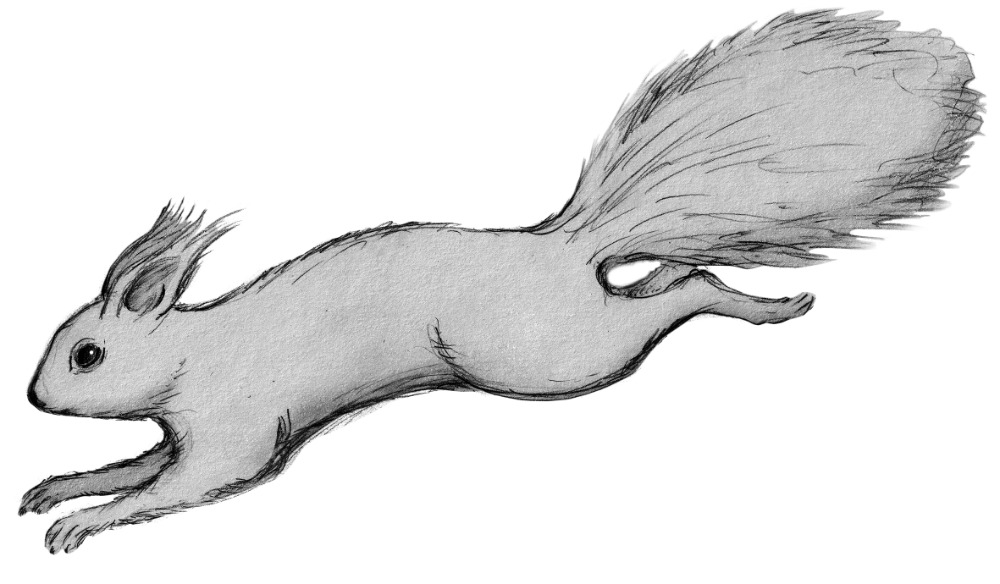
All the squirrels of my childhood bounded back into my mind’s eye. The way their eyes dart across the ground as they nibble and sniff. The way their tufty ears twitch forwards when interested, and backwards when aggressive.  The way the sunlight paints their reddish hue with gold.

The article did not mention whether the squirrel was a grey or a red.  Red squirrels were probably still dominant in that part of Scotland at the time (1888/89) so my mind was made up – I was having a red squirrel in Rivet Boy, to match the distinctive red bridge we all know and love. Sorted. All I needed was a name for it. Irritatingly, I could not settle on one. Rusty or Red were too predictable and boring, so I put a call out on social media: Help me name a Victorian red squirrel, I begged my friends, accompanying the post with a gif of a dancing squirrel. Suggestions rained in, but while I was entertained by many, I didn’t love any of them. Ironically, it was my non-writer husband who brought the breakthrough. ‘What would a child think of, Barbara? My first pet was a white hamster, and it was called Snowy. Don’t overthink it.’

He was right. Rusty it was, the very first name that had sprung to mind.

I’ll tell you a secret: there are some shortcuts in children’s writing. One of the most useful secret hacks is this: If you need a character to be lovable, then make someone else in the book love them – ideally someone less powerful like a smaller child or an animal. It sends the message that your character is trustworthy and kind. It’s a shortcut. In my book, the boy in question, like the squirrel, came straight out of a newspaper article. Apparently, 12-year-old John Nicol from Dunfermline fell from the bridge and was rescued, ‘sustaining no more than a wetting’. I decided that he was the one! A survivor is a good idea in a children’s book, believe you me. Even better if this boy spots an injured squirrel on the railway tracks and decides to rescue it. A bond develops and suffice to say that this is not the end of Rusty’s part in the story. Don’t children and animals often save the day in children’s fiction?

*taps nose*

****

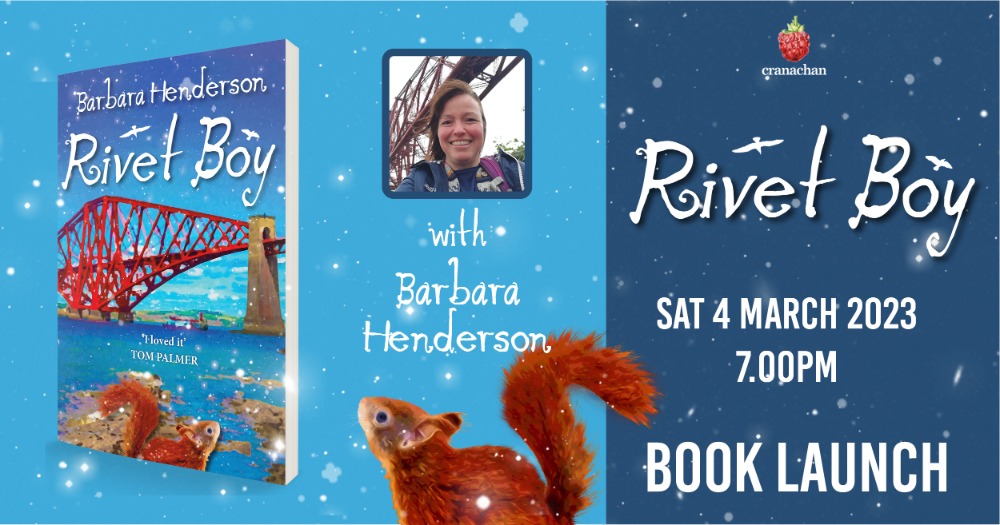
And if all that has whetted your appetite, there’s a chance to attend an evening online launch for Rivet Boy on Saturday 4th March by clicking here.
My Review of Rivet Boy

John Nichol needs to support his family.

Whilst historically accurate and immersive, I think what is so fantastic about Rivet Boy is the way John’s circumstances are so relatable for many children in today’s society; the struggle to survive with mounting bills, single parent families working hard to keep everyone together and the need to grow up too quickly. As a result, Barbara Henderson seems to give voice to the disadvantaged of all eras, not just to John in the 1880s. Add in the Murdoch family bullying and John’s life has elements so many readers will find comfort in identifying with as they realise there are others who have similar lives. 

As always with a Barbara Henderson book, the story simply zips along embracing threat, peril, excitement and bravery, all set against a vivid historical background. I loved Cora’s feminism and the inclusion of famous characters like William Morris, Queen Victoria and Robert Lewis Stephenson, not just because they bring the story alive, but because they add interest and ideas for research outside the sheer pleasure of the narrative. There’s so much to spark the imagination, to use in a school or private project and to discover further, that Rivet Boy lasts long beyond the reading of the story. I loved the affection with which books, libraries and reading were woven through too.

However, it is the real life John who is such a wonderful character, embodying the power of an active and inquisitive mind despite his humble start in life. He shows how kindness brings reward, not least through his relationship with Rusty. Reading the Author’s Note to discover the background to Rivet Boy made it all the more affecting to have encountered John between the pages. 

Indeed, the blend of fact and fiction in Rivet Boy is yet another example of Barbara Henderson’s complete skill in bringing history to life. The pictures at the end of the book of some of those mentioned in the story are not to be missed because they show children how history is made and provide such scope for discussion and research.  

Rivet Boy is, as I had expected, quite wonderful. It’s written with brilliantly researched historical accuracy, but more than that, this exciting, engaging and affecting narrative is written with complete humanity. I loved it.

About Barbara Henderson
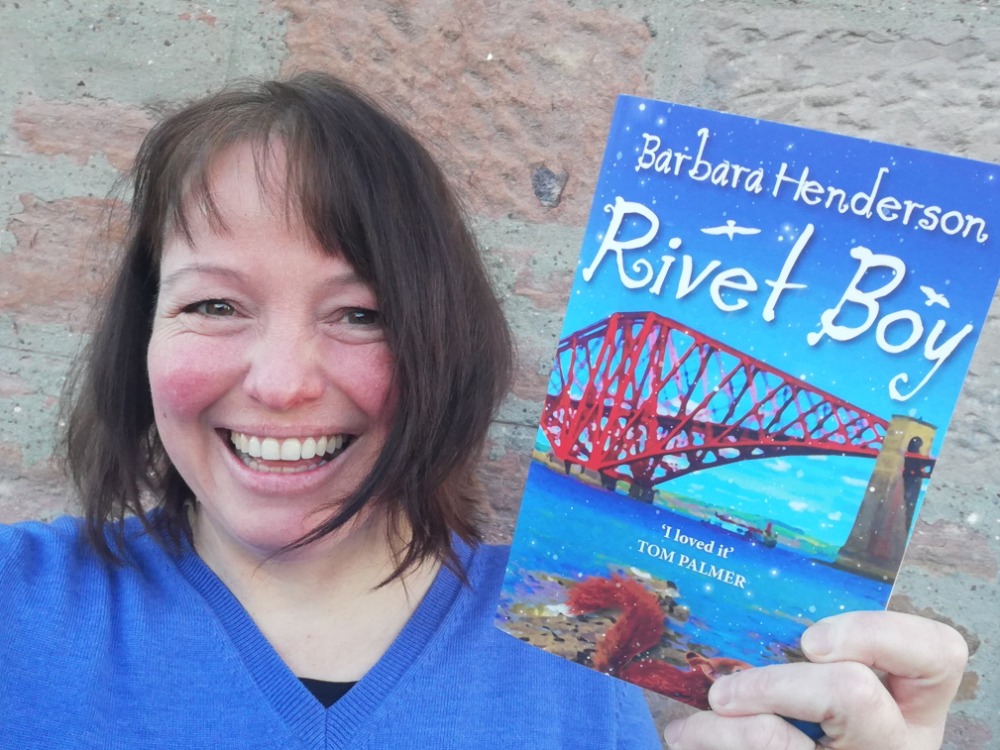
Barbara Henderson has lived in Scotland since 1991, somehow acquiring an MA in English Language and Literature, a husband, three children and a shaggy dog along the way. Having tried her hand at working as a puppeteer, relief librarian and receptionist, she now teaches Drama part-time at secondary school.

Writing predominantly for children, Barbara won the Nairn Festival Short Story Competition in 2012, the Creative Scotland Easter Monologue Competition in 2013 and was one of three writers shortlisted for the Kelpies Prize 2013. In 2015, wins include the US-based Pockets Magazine Fiction Contest and the Ballantrae Smuggler’s Story Competition.

Follow Barbara on Twitter @scattyscribbler or Instagram for more information, and read her blog. You’ll also find her author page on Facebook.

There’s more with these other bloggers too:
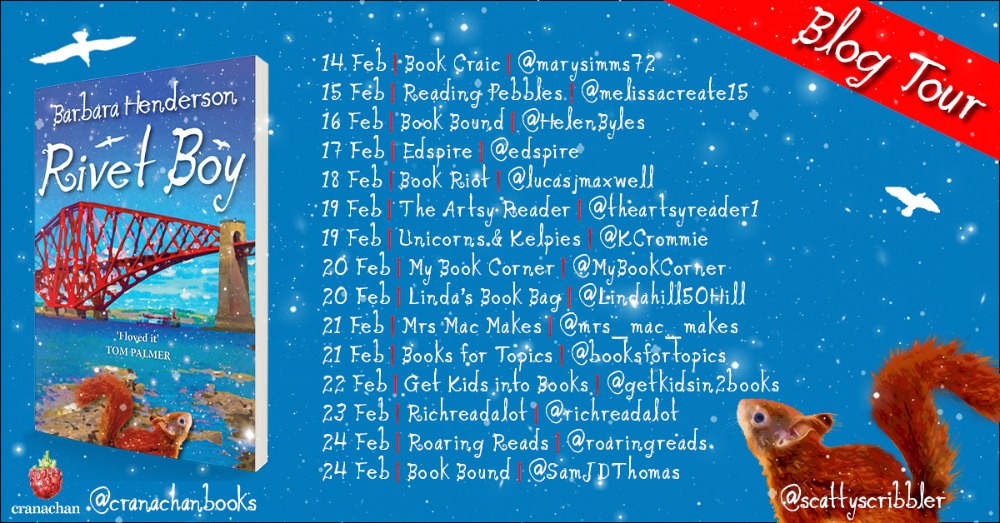
 

The Librarian by Salley Vickers

I’m lucky to belong to a brilliant U3A reading group that meets on the second Monday of the month and this month our book for discussion is The Librarian by Salley Vickers.

Published by Penguin, The Librarian is available for purchase through the links here.

The Librarian

In 1958, Sylvia Blackwell, fresh from one of the new post-war Library Schools, takes up a job as children’s librarian in a run down library in the market town of East Mole.

Her mission is to fire the enthusiasm of the children of East Mole for reading. But her love affair with the local married GP, and her befriending of his precious daughter, her neighbour’s son and her landlady’s neglected grandchild, ignite the prejudices of the town, threatening her job and the very existence of the library with dramatic consequences for them all.

The Librarian is a moving testament to the joy of reading and the power of books to change and inspire us all.

My Review of The Librarian

Sylvia has a new job.

Initially I wasn’t certain if I was going to enjoy The Librarian because at first it seemed quite lightweight and superficial. However, I was wrong. I thoroughly enjoyed this story. There’s a wry wit in the writing style that looks right into the heart of who we are. There’s also a poetic quality to descriptions that I found vivid and clear.

Peppered with literary references The Librarian is an homage to the power and value of children’s books and reading, and I so enjoyed being reminded of stories I’ve loved over the years. The memories activated by reading The Library and the titles mentioned enhanced my pleasure in the book enormously.

However, scratch below the surface of The Librarian and there’s so much more to discover. Salley Vickers burrows beneath the thin veneer of civilisation and society to illustrate how little we know of our neighbours, our families and even ourselves. At the start I wasn’t especially enamoured of Sylvia, even though she is the pivotal character, as I found her actions frustrating and frequently foolhardy, but I thought the way she, often unwittingly, was the catalyst for action was inspired. By the end of the novel I was desperate to know what had happened to her. The twins added a humour I found appealed to me entirely, but it was Sam who held my attention most. He felt so vulnerable in his intelligence and morality, doing all the wrong things for the right reasons and having to live with the consequences. Through him there is a valuable lesson that life doesn’t play fairly and we can find ourselves in situations that have reverberating consequences for years to come. His experiences made me rage against their unfairness.

The small town setting of East Mole is a real microcosm of the world, where appearances and social hierarchies belie the truth. Several forms of prejudice are explored so that characters like Ned have to hide their sexuality and Salley Vickers conveys the late 1950s to perfection. The power of the WI, the church and those in (sometime spurious) authority is explored with incisive wit. Those who should know and behave better are frequently those who are most to blame. One of the central themes of The Librarian is a consideration of what constitutes moral behaviour. But even then Sally Vickers doesn’t allow clear cut assessment of her characters. I wanted to loathe Hugh for his treatment of Sylvia, Jeanette and Marigold, for example, and yet the author provided sufficient insight into his marriage, his personality and his love for his daughter that I couldn’t quite bring myself to do it.

I think The Librarian can be read on many levels. It’s a diverting story of provincial life but it’s also an insight into who we are and why we behave as we do. I enjoyed the plot in its own right, but since finishing it, I have been pondering The Librarian and realise there’s even more to discover should I have chance to read it again. The Librarian is my first Salley Vickers’ read. It won’t be the last!

About Salley Vickers

Born in Liverpool, novelist Salley Vickers was named, by her father, after W.B. Yeats’ poem ‘Down by the Salley Gardens’. Vickers worked, variously, as a cleaner, a dancer, an artist’s model, and a psychoanalyst before writing her first novel Miss Garnet’s Angel which became a word-of-mouth bestseller around the world. A writer of great sensitivity and ability to capture the human condition, Vickers was described by one reviewer as ‘a novelist in the great English tradition of moral seriousness’. Her novels include: Instances of the Number 3Mr Golightly’s HolidayThe Cleaner of Chartres and Cousins.

For further information, visit Salley’s website or follow her on Twitter @SalleyVickers.

Blog Anniversary Giveaway

Linda’s Book Bag is eight. Strictly speaking the blog is eight years and two days old but there has been quite a bit going on of late and I completely forgot about it!

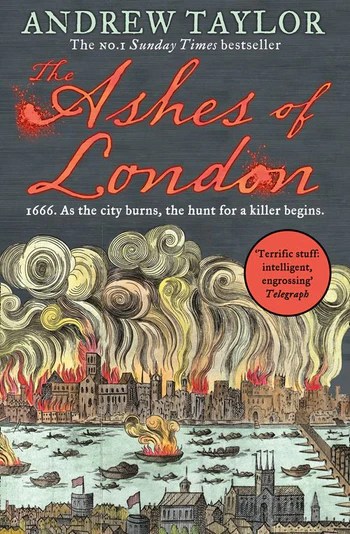
I also forgot something else. When I was doing my round up of my favourite reads of 2022 (see here) I completely failed to include Andrew Taylor’s The Ashes of London (read as part of my U3A book group and reviewed here). In order to be a book of the year a book has to score 95+/100 for me and The Ashes of London did, but I missed it on my spreadsheet.

I do have an excuse. At the time I was trying to sort out Mum’s hacked BT account where she’d been scammed into entering her user name and password via a convincing but bogus email, after which she was locked out because the scammers changed the mobile number and added a new Hotmail address in her name as recovery means, setting up a rule that forwarded all her BT emails to them and deleting them permanently from her own genuine BT account. Given that she was awaiting hospital appointments this was somewhat inconvenient and took many hours to sort out.

In addition, Mum was very poorly with her COPD and the nasty chest infection everyone had and then on the Friday before Christmas she tested positive for Covid. Cutting a very long story short (I know you’ve already received more detail than you need or want) I simply missed off Andrew Taylor’s fantastic book as my mind was elsewhere.

As a result, I’d like to offer a paperback copy of The Ashes of London to a UK blog reader, partly to celebrate blogging for eight years, partly as an apology to Andrew, but mostly because it’s a fantastic read.

Giveaway

A Paperback Copy of The Ashes of London by Andrew Taylor

A CITY IN FLAMES
London, 1666. As the Great Fire consumes everything in its path, the body of a man is found in the ruins of St Paul’s Cathedral – stabbed in the neck, thumbs tied behind his back.

A WOMAN ON THE RUN
The son of a traitor, James Marwood is forced to hunt the killer through the city’s devastated streets. There he encounters a determined young woman, who will stop at nothing to secure her freedom.

A KILLER SEEKING REVENGE
When a second murder victim is discovered in the Fleet Ditch, Marwood is drawn into the political and religious intrigue of Westminster – and across the path of a killer with nothing to lose…

****

If you live in the UK and would like to enter please click here. I’ll need a UK postal address but won’t retain it once the book is sent.

Entries close at UK midnight on Sunday 12th February. Good luck!

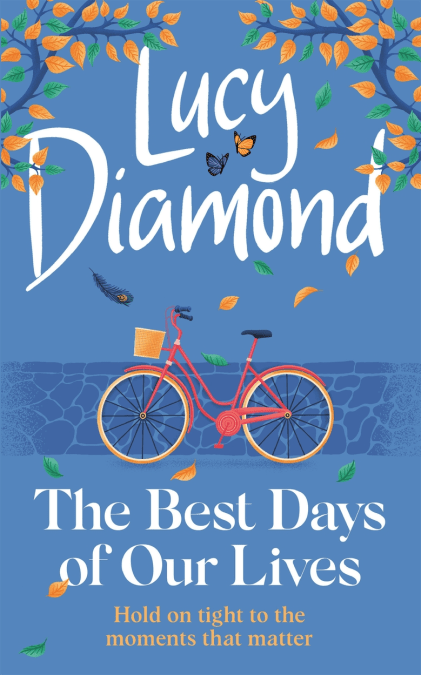
The Best Days of Our Lives by Lucy Diamond

I was far too late in discovering Lucy Diamond’s writing and when I finally read and reviewed Anything Could Happen here, it became one of my favourite reads of 2021. Consequently, it’s a delight to find myself reviewing Lucy’s latest book The Best Days of Our Lives for My Weekly online today.

Published by Quercus on 16th February 2023, The Best Days of Our Lives is available for purchase through the links here.

If you pick up a copy of My Weekly this week, you’ll also find a lovely short story from Lucy Diamond!

The Best Days of Our Lives

When 35-year-old Leni McKenzie is knocked off her bike, her family’s world is turned upside down.

Leni and her sister Alice were best friends as well as siblings. But did they know each other as well as Alice thought? In the hope of coming to terms with her grief, she tries to piece together Leni’s last weeks – but her discoveries only lead to more questions. And that’s before the surprise reappearance of someone from the past. Life is certainly getting very complicated …

Meanwhile, the rest of the family seem to be falling apart. Belinda, Alice’s mum, has developed an unhealthy obsession with a clairvoyant, and Tony, her dad, is stressed about becoming a father all over again, what with three failed marriages stacking up behind him.

As for Will, the youngest McKenzie, he’s in denial, having hopped onto a plane to Thailand days after the funeral. Secretly, he’s tormented by the part he played in Leni’s death … and the thing about secrets is, they always come out eventually …

Full of hope and heartache, love and truths, Lucy Diamond’s new novel is the big-hearted and relatable story of one unforgettable year in the life of the McKenzies.

My Review of The Best Days of Our Lives

My full review of The Best Days of Our Lives can be found online on the My Weekly website here.

However, here I can say that The Best Days of Our Lives has gone straight onto my list of favourite reads in 2023. It is, quite simply, glorious and I adored it.

Do visit My Weekly to read my full review here.

About Lucy Diamond

Lucy Diamond grew up in Nottingham and has lived in Leeds, London, Oxford and Brighton. She now lives in Bath with her family. Lucy is the Sunday Times bestselling author of seventeen novels including The Beach Café, An Almost Perfect Holiday and Anything Could HappenThe Best Days of Our Lives is her eighteenth novel.

For more information, visit Lucy’s website, follow her on Twitter @LDiamondAuthor and Facebook or find her on Instagram.

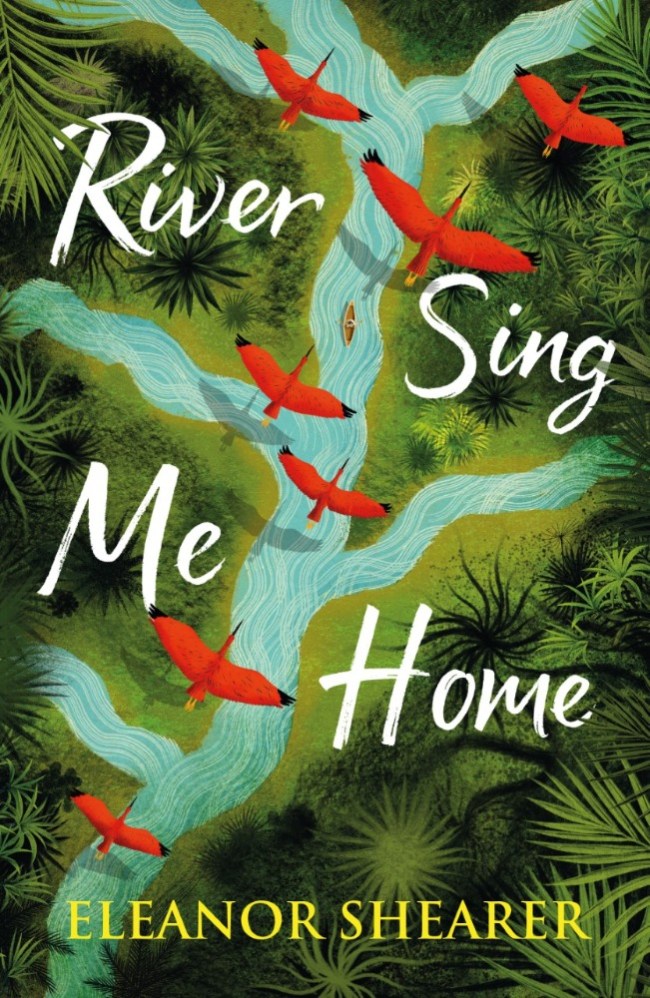
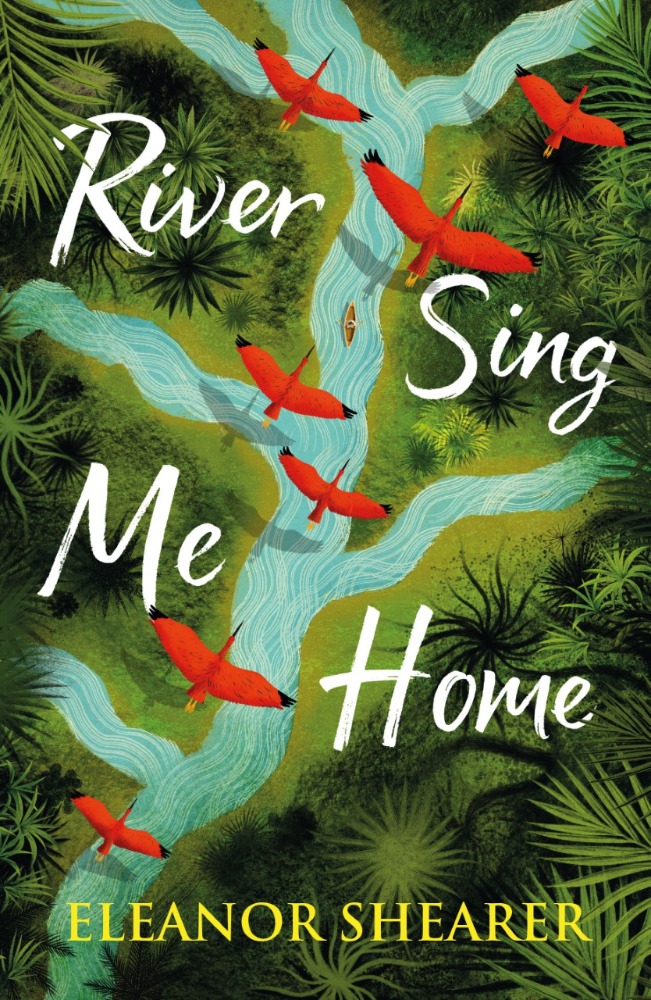
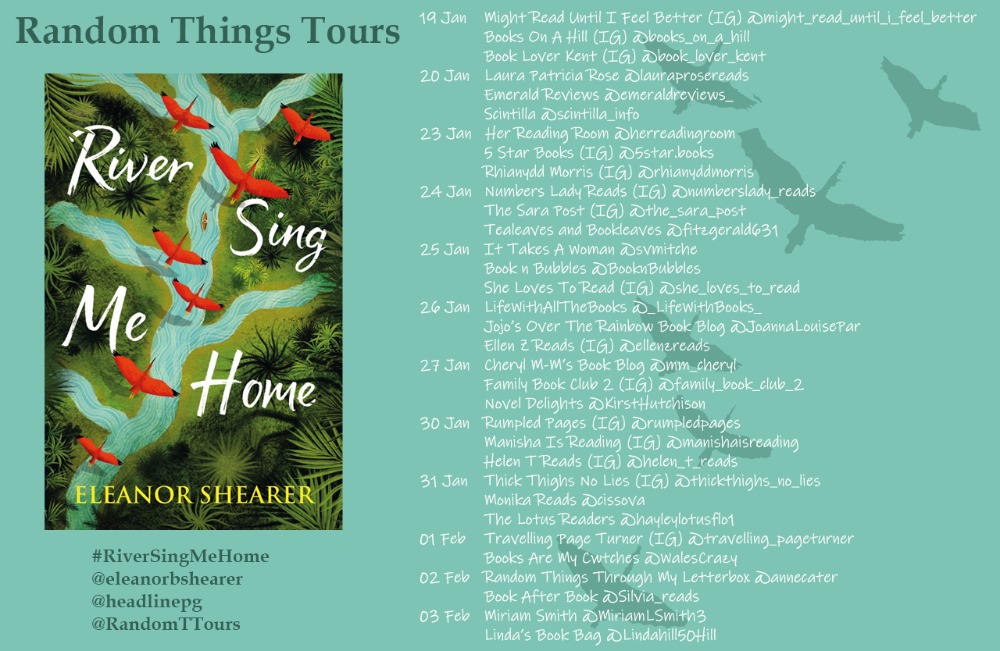
River Sing Me Home by Eleanor Shearer

Having studied slavery and emancipation in the USA as part of my first degree, I was only too pleased to be offered the opportunity to read River Sing Me Home by Eleanor Shearer and would like to thank Caitlin Raynor for sending me a copy of the back in August 2022 and Anne Cater of Random Things Tours for inviting me to participate in this blog tour. I’m delighted to help close the tour by sharing my review today.

River Sing Me Home was published by Headline Review on 19th January and is available for purchase in all good bookshops and online including here.

River Sing Me Home

We whisper the names of the ones we love like the words of a song. That was the taste of freedom to us, those names on our lips.

Mary Grace, Micah, Thomas Augustus, Cherry Jane and Mercy.

These are the names of her children. The five who survived, only to be sold to other plantations. The faces Rachel cannot forget.

It’s 1834, and the law says her people are now free. But for Rachel freedom means finding her children, even if the truth is more than she can bear.

With fear snapping at her heels, Rachel keeps moving. From sunrise to sunset, through the cane fields of Barbados to the forests of British Guiana and on to Trinidad, to the dangerous river and the open sea.

Only once she knows their stories can she rest. Only then can she finally find home.

Inspired by the women who, in the aftermath of slavery, went in search of their lost children.

My Review of River Sing Me Home

Rachel searches for her children.

River Sing Me Home is almost impossible to review because Eleanor Shearer explores the very roots of who we are in a narrative that transcends history and time, becoming a melody of life, loss and love in a way that leaves the reader stunned by her skill. 

The writing is beautiful, presenting Rachel’s voice with pin sharp clarity against a searing backdrop of man’s inhumanity to man and the power of nature to nurture or destroy. The direct speech, the natural images, the sense of place and history, blend into a story that mesmerises completely. I thought the iterative image of water as a means of escape, of healing, of ripples through time, and of rebirth was inspired. What I found so affecting was how resilient the human spirit can be. Through memories, stories and song Rachel’s journey is steeped in difficulty and challenge, but simultaneously illustrates hope and love so affectingly that it is impossible not to live the events alongside her. 

The journey Rachel undertakes is literal and metaphorical. The greater the physical distance Rachel travels, the more she, and the reader, comes to understand her place in the world and how her role as a mother is both universal and unique. Her development as a character is so movingly depicted in this intense and powerful story. I loved meeting the other characters too, but I don’t want to say too much as I feel it will spoil the story for others. The most emotional aspect for me, illustrated by Rachel and her children, was the gradual understanding that home is not a place necessarily, but can be a person like Nobody, or simply a feeling or emotion. There are sensitive and insightful messages in River Sing Me Home.

There’s wisdom and joy, despair and grief so intimately intertwined that River Sing Me Home feels timeless, important and healing. Rachel’s story is the story of many mothers, of many slaves, of humanity itself. I found it profoundly moving, affecting and emotional. It is not a story to be forgotten easily. I am aware my review is rather opaque but I’m struggling to articulate the feelings reading about Rachel gave me. Let me just say that I thought River Sing Me Home was absolutely wonderful.

About Eleanor Shearer

ELEANOR SHEARER is a mixed-race writer and the granddaughter of Windrush generation immigrants. She splits her time between London and Ramsgate so that she never has to go too long without seeing the sea. For her Master’s degree in Politics at the University of Oxford, Eleanor studied the legacy of slavery and the case for reparations, and her fieldwork in St. Lucia and Barbados helped inspire her first novel.
For further information, follow Eleanor on Twitter @eleanorbshearer, or find her on Instagram.

There’s more with these other bloggers too:
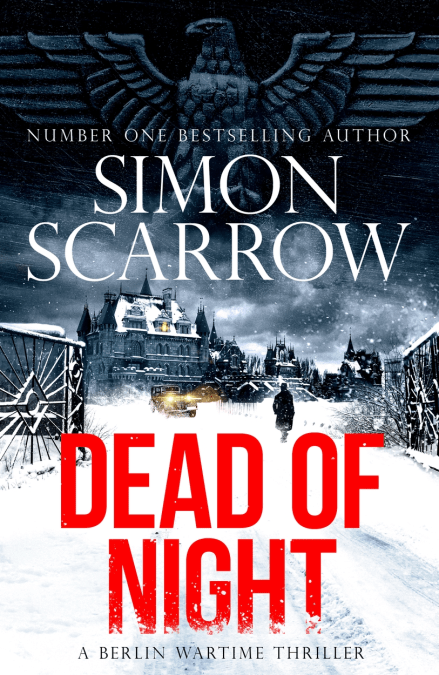
A Publication Day Extract from Dead of Night by Simon Scarrow

It’s an honour today to host a blog tour extract from Dead of Night by Simon Scarrow. My enormous thanks to Jessica Hunt and Sophie Ransom for inviting me to participate in the tour and for sending me a copy of Dead of Night which I cannot wait to read. Dead of Night is part of the Berlin Wartime Thriller series.

Published by Headline today, 2nd February 2023, Dead of Night is available for purchase through the links here.

Dead of Night

BERLIN. JANUARY 1940.

After Germany’s invasion of Poland, the world is holding its breath and hoping for peace. At home, the Nazi Party’s hold on power is absolute.

One freezing night, an SS doctor and his wife return from an evening mingling with their fellow Nazis at the concert hall. By the time the sun rises, the doctor will be lying lifeless in a pool of blood.

Was it murder or suicide? Criminal Inspector Horst Schenke is told that under no circumstances should he investigate. The doctor’s widow, however, is convinced her husband was the target of a hit. But why would anyone murder an apparently obscure doctor? Compelled to dig deeper, Schenke learns of the mysterious death of a child. The cases seem unconnected, but soon chilling links begin to emerge that point to a terrifying secret.

Even in times of war, under a ruthless regime, there are places in hell no man should ever enter. And Schenke fears he may not return alive . . .

An Extract from Dead of Night

(From The Prologue)

Berlin, 28 January 1940 

‘There were handshakes and farewells as the couples parted, the Schmeslers hurrying down the stairs into the station. They reached the platform just as the northbound train pulled in. Doors clattered open and shut as passengers alighted or boarded; the guard blew his whistle. The train jolted into motion and Schmesler and his wife nearly lost their balance as they made for an empty space on one of the benches. It reminded them both of an evening when Schmesler had invited Brigitte out after they’d first met. The motion of the train had thrown them against each other and he had instinctively put his arm around her to stop her from falling. It had broken the ice and they had laughed nervously. Now they smiled at each other in delight at the unbidden memory of that night. 

Conversation was difficult on the U-Bahn trains, and in recent years people tended to be careful of what they said in case an inadvertent comment attracted the attention of an informer. The two of them held hands and sat in silence, counting off the stops until the train pulled into their station in the Pankow district. Stepping out of the carriage, they walked quickly through the cold, dark streets of the smart residential neighbourhood until they reached their home. It was a modest two-storey building dating from the middle of the last century. Schmesler had acquired it three years earlier from its Jewish owners, the Frankels. He had studied at Berlin University with Josef Frankel, and they had once been close friends. After the Nazis had come to power, the friendship was no longer advisable and they had kept their distance, socialising in secret. With Frankel no longer able to operate his business, he had left Germany with his family as restrictions tightened around the country’s Jewish community. He had sold his house to his good friend Schmesler for a bargain price, and taken what little capital he had in order to make a new life in New York. However, the family had been forced to leave behind a younger daughter, Ruth, when they had failed to find her birth certificate, and now that war had broken out, she was trapped in Berlin. 

The couple climbed the steps from the street and scraped the snow from their shoes on the iron bar next to the covered porch. Schmesler unlocked the front door, and they stepped inside and closed it before turning on the lights, so as not to provide an excuse for the local block warden to fine them for breaching blackout regulations. 

It was cold enough indoors to require them to keep their coats and gloves on, and only their hats were hung on the stand beside the door. Schmesler kissed his wife on the forehead. 

‘You go on up to bed. I’ll be along a bit later.’ 

‘Work?’ She sighed. 

He nodded. ‘We’re short-handed at the centre, thanks to conscription.’ 

‘Did they have to take all your assistants?’

 ‘In time of war, the army needs all the doctors it can find, my love.’ 

Brigitte shook her head. ‘War . . . So much for the Führer’s claim of being a man of peace.’ 

Schmesler instinctively glanced round before he could catch himself, and smiled guiltily as he responded. ‘Make sure such words stay at home. Be careful who you share your doubts with.’ 

‘I would hope I’d be safe speaking my mind to my husband of twenty years.’ He winked at her. ‘You never know . . .’ 

‘Oh, you!’ She pinched his cheek. 

‘Give the Führer a chance, Brigitte. Now that Poland is obliterated, there is no reason for France or Britain to continue the war. We may have peace by the time spring comes. Hold on to that hope, eh? Now, to bed with you, before I tell the Gestapo you are sharing un-German propaganda.’ 

He watched as she climbed the stairs to the galleried landing, turned on the light and disappeared from view. Then, making his way to the parlour, he sat in the chair in front of the stove and opened the hatch. The heavy iron was still warm, even through the thickness of his gloves, and he saw a dim glow within. When he opened the vent, the heat intensified and smoke curled up. Taking some kindling, he arranged it over the first small flames to flicker into life. He waited until there was a healthy blaze before he added some split logs and shut the hatch. Already he could feel the warmth radiating from the ironwork, and he let it seep into his body, smiling with contentment. 

He glanced at the desk beneath the blackout curtains. There was a briefcase sitting there that contained a folder of reports awaiting his attention. He had been putting off the moment all day at the office, and now again at home. It could be delayed no longer. He eased himself to his feet and crossed to the small side table where he kept a decanter of brandy and some glasses, and poured himself a generous measure. Then, settling in the leather desk chair with the warmth of the fire at his back, he opened the case and took out the file. Reaching for a pen, he flicked open the cover and glanced over the first report, considering the hand-written recommendation at the bottom. His right hand moved, and the nib hovered over the report.  He hesitated, then knocked the brandy back, feeling the fiery liquid surge down his throat. Setting the glass down with a rap, he marked the final box on the page with a ‘+’, moved the sheet to the side and considered the next document. 

The clock on the mantelpiece marked the passage of time with a steady tick tock. Every so often, Schmesler stirred to place another log in the stove as he worked late into the night processing the documents into two piles: one for those marked in the same way that the first report had been, and a smaller pile where he had left the box empty and merely signed the report instead. 

Upstairs, his wife slept alone in her thick nightdress beneath several layers of covers. She lay on her side, breathing deeply, sleeping in a dreamless and untroubled state until the early hours of the morning, when a sharp crack sounded from downstairs and jolted her awake. For a few heartbeats she was not sure if she had imagined the sound. She reached under the covers to where her husband usually lay, but he was not there, and the bedding was cold and clammy. She waited for several minutes, listening for further sounds before she stirred. Turning on the bedside lamp, she squinted at the sudden brightness as she looked at the alarm clock. Just past three o’clock. An absurd hour for her husband to still be working. 

She swung her legs from under the covers and slid her feet into her slippers before making for the top of the stairs. ‘Manfred,’ she called out. ‘Manfred . . .’ She waited for a response, but there was silence, and she tutted irritably as she descended the stairs and made for his study. As she opened the door, warm air washed over her, and with it came the acrid odour of gun smoke. ‘Manfred . . . ?’ 

 She did not see her husband immediately. There were papers scattered across the desk and on the floor nearby. The chair lay on its side, and an outstretched arm projected from behind it. A short distance from the curled fingers of the hand lay the dark shape of a pistol. 

****

Isn’t that brilliant? I’m thrilled to have Dead of Night on my TBR and can’t wait to read it.

About Simon Scarrow

Simon Scarrow is a Sunday Times No. 1 bestselling author. His books – which have sold over 5 million copies – include his Eagles of the Empire novels featuring Roman soldiers Macro and Cato, most recently Death to the Emperor, The Honour of Rome, The Emperor’s Exile and Traitors Of Rome, as well as Blackout, the bestselling first novel in the Berlin Wartime Thriller series, and many more.

Simon lives in Norfolk with his wife.

For further information, visit Simon’s website, follow him on Twitter @SimonScarrow or find him on Facebook.

There’s more with these other bloggers too:
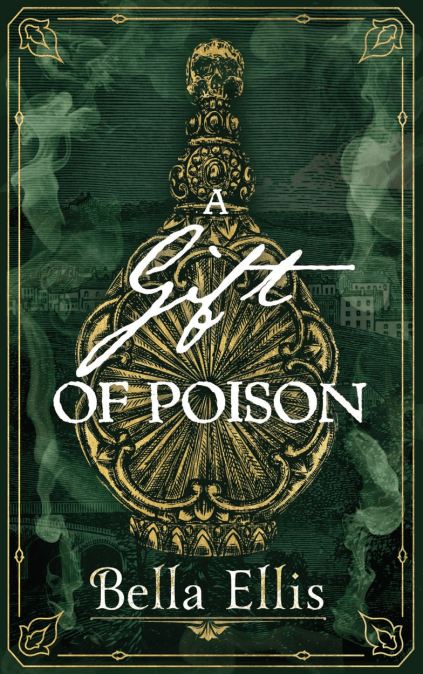
A Gift of Poison by Bella Ellis

It’s a real pleasure to share details of another of my My Weekly online reviews and this time it’s of A Gift of Poison by Bella Ellis.

You’ll also find a short story from Bella Ellis in this week’s edition of My Weekly.

Published by Hodder and Stoughton on 9th February 2023, A Gift of Poison is available for purchase through the links here.

A Gift of Poison

Haworth 1847 – Anne and Emily Brontë have had their books accepted for publication, while Charlotte’s has been rejected everywhere, creating a strained atmosphere at the parsonage.

At the same time, a shocking court case has recently concluded, acquitting a workhouse master of murdering his wife by poison. Everyone thinks this famously odious and abusive man is guilty. However, he insists he is many bad things but not a murderer. When an attempt is made on his life, he believes it to be the same person who killed his wife and applies to the detecting sisters for their help.

Despite reservations, they decide that perhaps, as before, it is only they who can get to the truth and prove him innocent – or guilty – without a shadow of doubt.

My Review of A Gift of Poison

My full review of A Gift of Poison can be found online on the My Weekly website here.

However, here I can say that A Gift of Poison is a deliciously dark mystery that truly brings the Brontë women to life in vivid colour with a superb blend of fact and fiction. I so enjoyed it.

Do visit My Weekly to read my full review here.

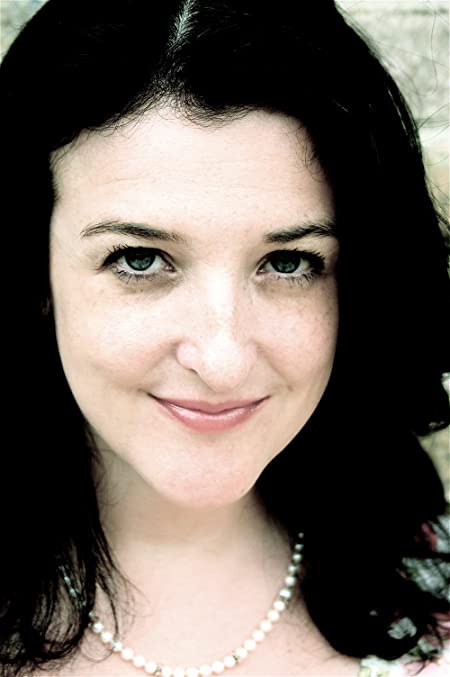
About Bella Ellis

Bella Ellis is the Brontë inspired pen name for the award winning Sunday Times Best Selling author Rowan Coleman. A Brontë devotee for most of her life Rowan  the author of the internationally bestselling The Memory Book, the double award winning The Runaway Wife, and the NYT bestseller The Accidental Mother and the Zoe Ball ITV Bookclub pick The Summer of Impossible Things.

For further information, follow Bella on Twitter @brontemysteries, or, as Rowan Coleman @rowancoleman. You can visit her website and find Rowan on Instagram and Facebook too.

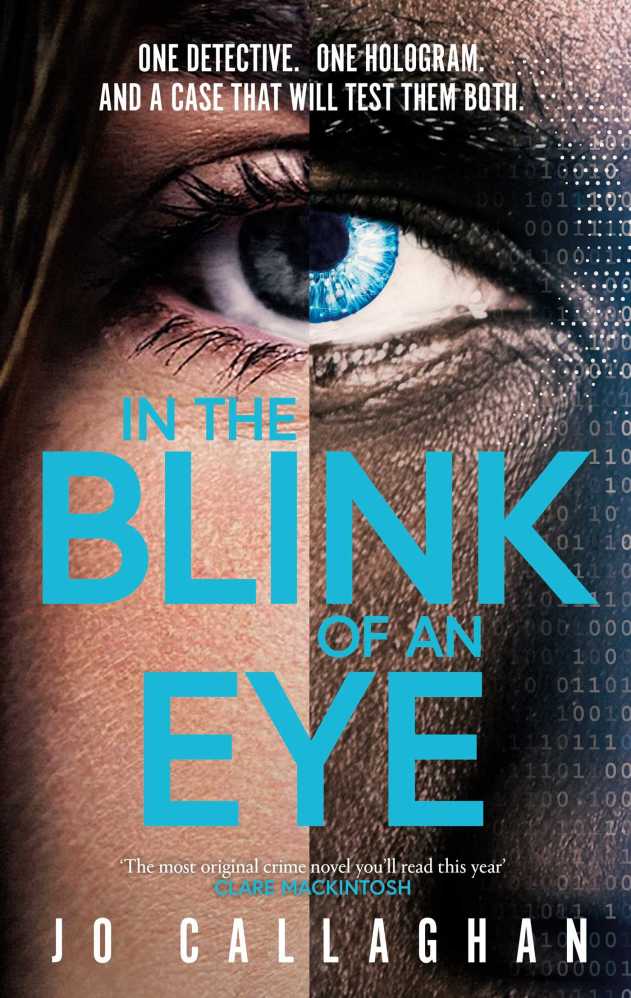
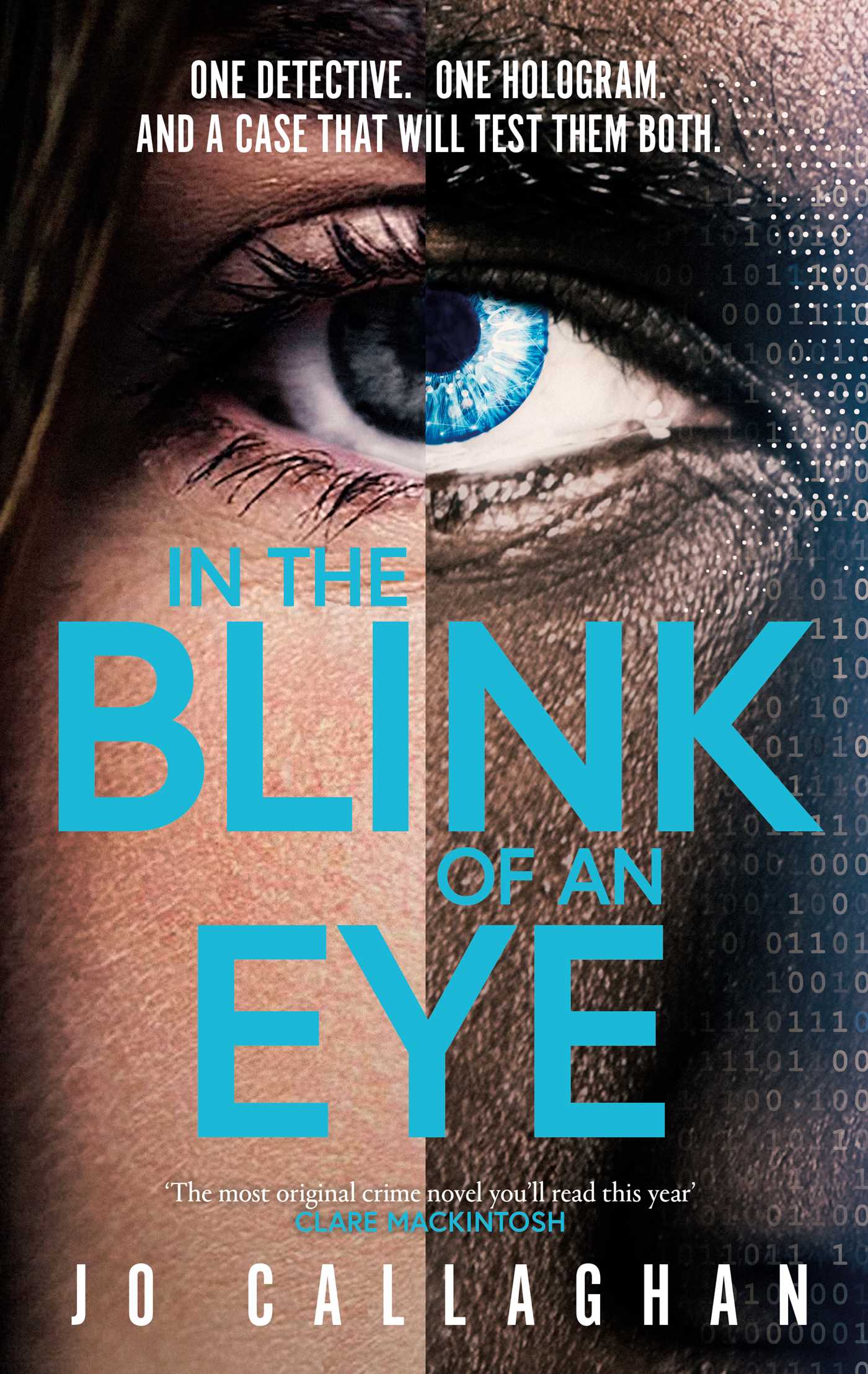
In the Blink of an Eye by Jo Callaghan

It was back in July whilst in Harrogate at Theakston’s Old Peculier Crime Writing Festival that I collected a copy of Jo Callaghan’s debut In the Blink of an Eye which has been calling to me ever since.

In the Blink of an Eye was published by Simon and Schuster on 19th January 2023 and is available for purchase through the links here.

In the Blink of an Eye

In the UK, someone is reported missing every 90 seconds.
Just gone. Vanished. In the blink of an eye. 

DCS Kat Frank knows all about loss. A widowed single mother, Kat is a cop who trusts her instincts. Picked to lead a pilot programme that has her paired with AIDE (Artificially Intelligent Detective Entity) Lock, Kat’s instincts come up against Lock’s logic. But when the two missing person’s cold cases they are reviewing suddenly become active, Lock is the only one who can help Kat when the case gets personal.

AI versus human experience.
Logic versus instinct.
With lives on the line can the pair work together before someone else becomes another statistic?

In the Blink of an Eye is a dazzling debut from an exciting new voice and asks us what we think it means to be human.

My Review of In the Blink of an Eye

Can Artificial Intelligence help solve crimes? 

My goodness. In the Blink of an Eye is brilliant. From the dramatic opening the tension mounts inexorably so that it is impossible to stop reading. The pacy, timed and dated chapters add to the sense of speed and excitement and, especially when the italicised chapters are interspersed, there’s a feeling of dread and menace that is all consuming. If I say that I am not a huge fan of police procedural novels, but that I was so enthralled by In the Blink of an Eye that I was compelled to read on and I thought it was outstanding, then you’ll get a sense of the assured, intelligent, well-researched and skilled writing. Jo Callaghan is going to find herself amongst the most lauded crime writers we have.

I thought the AI premise was such a brilliant concept, feeling scarily plausible and highly effective. As Kat and Lock piece together what has happened to Tyrone and Will, the edginess increases so that the reader has a sickening sensation that they will not be the last two young men to vanish. There’s such a thought-provoking consideration of morality threaded through as the catalyst for the narrative so that even when In the Blink of an Eye is finished, it resonates and unsettles the reader. It’s so hard to articulate without spoiling the story for others but Jo Callaghan provides a mature insight into humanity even as she entertains so effectively.

The characters are multi-dimensional and captivating. There’s enough development of Kat and her team, including Lock, to enable the reader to understand them and why they behave as they do, but equally, there’s such scope for future development that Jo Callaghan leaves the reader utterly desperate for another book featuring them. 

Themes embodied in the story are complex, absorbing and challenging, but they are incorporated naturally so that they permeate the reader’s consciousness, making them question their own behavioural parameters. I thought this aspect of In the Blink of an Eye was quite perfect.

In the Blink of an Eye is outrageously good. It will definitely be one of my favourite books in 2023 and I cannot recommend it highly enough.

About Jo Callaghan

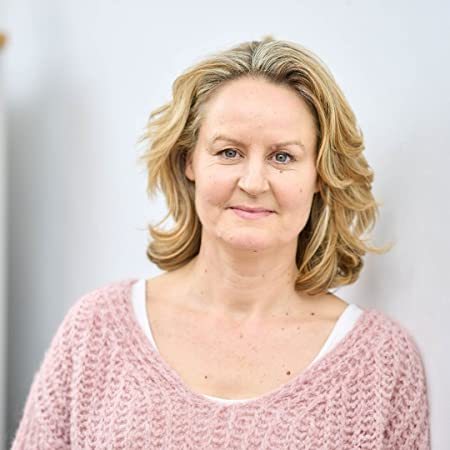
Jo works full-time as a senior strategist, where she has carried out research into the future impact of AI and genomics on the workforce. After losing her husband to cancer in 2019, she started writing In The Blink of An Eye. She lives with her two children in the Midlands, where she is currently writing the second novel in the series.

For further information, follow Jo on Twitter @JoCallaghanKat or Instagram.

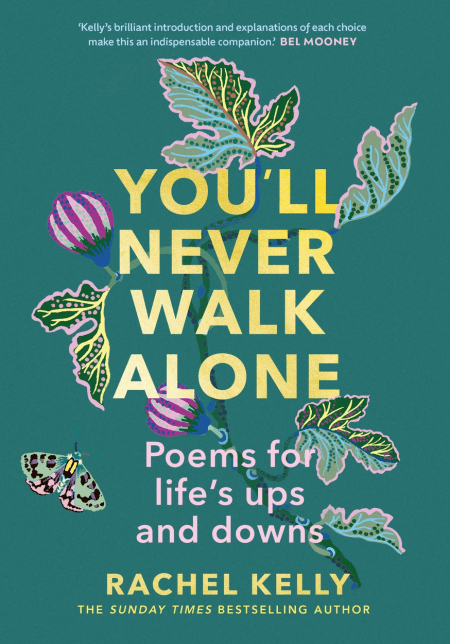
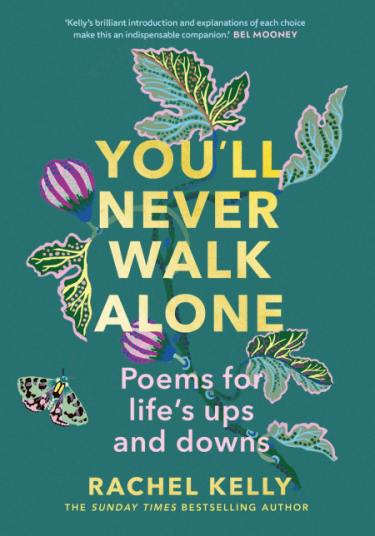
You’ll Never Walk Alone by Rachel Kelly

My enormous thanks to Bei Guo at Midas for sending me a copy of You’ll Never Walk Alone by Rachel Kelly. I didn’t realise it was a signed and dedicated copy until I began reading so I was thrilled. Ironically, You’ll Never Walk Alone arrived just at a point when I really needed a boost and I’m delighted to share my review today.

You’ll Never Walk Alone was published by Yellow Kite on 3rd November 2022 and is available for purchase through the links here.

You’ll Never Walk Alone

Words can be a way to unlock our feelings. Poetry allows us to be in touch with our emotions and helps us unlock and explore our vulnerability.

You’ll Never Walk Alone
 is a collection of the kind of inspirational texts – mainly poems – that can accompany us, whatever we are feeling, from sorrow to delight. The texts are not just about words which can console us or comfort us – though they often do this too. Rather these are poems that allow us to enjoy a full range of emotions. The poems are organised according to the season in which they ‘belong’: we all have seasons of our minds, be they wintery and dark, or more spring-like and hopeful. Comprising 52 poems, with analysis by Rachel, You’ll Never Walk Alone introduces a poem for each week of the year plus tips on bringing poetry into your life.

This book will show you how to bring poetry into your everyday emotional reality, where it can be a new tool for wellbeing. And one that means you’ll never walk alone.

My Review of You’ll Never Walk Alone

A poetic companion for when times are hard.

From Rachel Kelly’s heartfelt introduction advocating the power of poetry You’ll Never Walk Alone is an inclusive, supportive and effective book that makes the reader feel as if they are understood and given succour. The use of the pronouns I and you has the effect of Rachel Kelly speaking directly to the reader and to them alone as a friend might. I loved this feeling of a friend in a time of need.

I found You’ll Never Walk Alone completely surprising. Whilst I always enjoy exploring poems and I love being out in the natural world, I’d never truly considered poetry as a seasonal entity – despite studying and teaching seasonal poems in my past! There are also short prose pieces too that balance the book and provide another perspective.

Rachel Kelly’s accessible analysis of the entries is completely engaging and another means by which the reader feels included. Someone familiar with poetry can decide if Rachel Kelly’s thoughts attune with their own and those amongst us who find poetry mysterious or challenging will feel guided in understanding the poets’ meanings. In amongst the eclectic entries from familiar writers like Gerard Manly Hopkins to those I hadn’t previously read, like Jane Hirschfield, I was also surprised to find some of the entries sparked memories for me too, enabling me to get back in touch with myself as a human being. Advice on Crossing a Street in Delhi by Grace Nichols made me remember the lunacy of trying to cross the road in Shanghai or Marrakesh and reignited the experiences I had had. Genuinely, You’ll Never Walk Alone made me feel more alive.

That’s not to say that You’ll Never Walk Alone is a glib panacea for depression or sadness. Some of the entries are despairing and negative, affording the reader the opportunity to realise all emotions are valid and acceptable – it’s what we do with those emotions that counts.

I hadn’t expected the natural artwork in the book that further enhances the power of both poetry and nature to heal and support. I thought this was a wonderful touch and would help make You’ll Never Walk Alone a caring gift for someone struggling with life. As well as the entries and commentaries, I loved the biographies in the back of the book and the four suggestions for including poetry more in the reader’s life because they give interest and engagement long after the book is read.

You’ll Never Walk Alone is a deceptive book. On the surface it appears relatively simple, with a selection of some 52 mostly poetic entries (one for each week of the year) alongside notes from Rachel Kelly, but it is so much more than the sum of its parts. There’s all of humanity laid bare here with something for every reader between the pages. I thought it was a wonderful book and it will be living on my bedside table so that I can turn to it when I need to. I really recommend You’ll Never Walk Alone.

About Rachel Kelly

Rachel Kelly is a keynote speaker, bestselling writer and mental health campaigner. She shares her experience of depression and evidence-based strategies that helped her recover. Rachel has spoken all over the world from Delhi to Sydney, America and across the UK. Her critically acclaimed books are published in over 10 countries.

Rachel is also a well-known media commentator and former Times journalist as well as an official ambassador for mental health charities Rethink Mental Illness, SANE, The Counselling Foundation and Head Talks.

Her long-standing passion for poetry led to her becoming the co-founder of the iF poetry app (2011) and co-editor of iF: A Treasury of Poetry for Almost Every Possibility (Canongate, 2012). She is the author of Black Rainbow, The Happy KitchenWalking on Sunshine and Singing in the Rain. Rachel lives in London with her husband, Sebastian, and their five children.

For further information, visit Rachel’s website, follow her on Twitter @rachelkellynet, and find her on Facebook or Instagram.

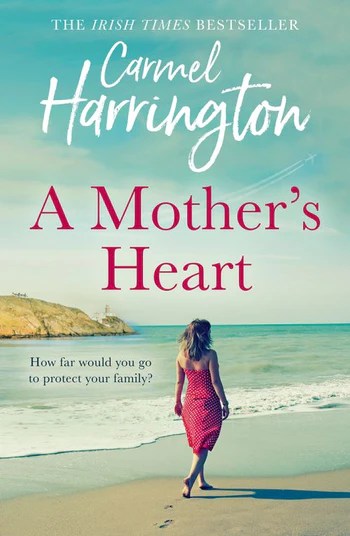
A Mother’s Heart by Carmel Harrington

I’ve long been a fan of Carmel Harrington’s writing and it’s a privilege to review her latest novel A Mother’s Heart for My Weekly online.

Last year I shared my review of Carmel’s The Moon Over Kilmore Quay here. I reviewed The Woman at 72 Derry Lane in a post you’ll find here. It was my also privilege to host a guest post from Carmel and to review The Things I Should Have Told you here.

Published by Harper Collins in paperback on 2nd February 2023, A Mother’s Heart is available for purchase through the links here.

Carmel has a story in this week’s edition of My Weekly too.

A Mother’s Heart

Hawke’s Bay, New Zealand
While Rachel Butler likes her life in a pretty Dublin coastal village, her heart lies in Hawke’s Bay, where she grew up. Visiting for the first time since tragedy tore her family apart, she and her stepchildren fall for its beauty and outdoor lifestyle.

Malahide, Ireland
As Rachel picks up the threads of her life as a single parent, she can’t shake off the memories of her loving family in New Zealand – and her dream house, the villa on the bay. But it’s time to move forwards with their life in Ireland, close to the children’s grandparents, amid the familiar surroundings they all know well.

Until the children’s grandmother, still grieving, starts to interfere, questioning Rachel’s position as stepmother.

Until Rachel’s attempts to strengthen the family she loves so dearly backfires, pitting everyone against each other.

And until her late husband’s parents mend the rift that has existed as long as she’s been married – bringing with them an explosive secret . . .

My Review of A Mother’s Heart

My full review of A Mother’s Heart can be found online on the My Weekly website here.

However, here I can say that A Mother’s Heart is typical Carmel Harrington and a story filled with family, conflict and love that any reader can relate to and enjoy completely.

Do visit My Weekly to read my full review here.

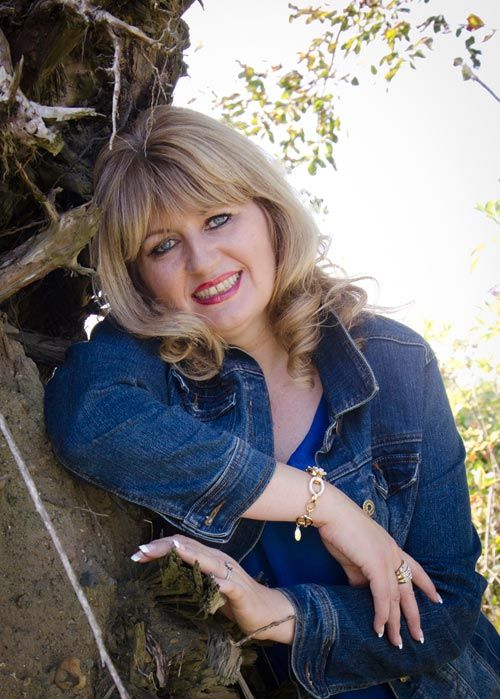
About Carmel Harrington

USA Today bestseller Carmel Harrington lives in Wexford with her family and rescue dog, George Bailey. Her ninth novel, The Moon Over Kilmore Quay became an instant bestseller in Ireland and USA. Other bestselling novels include My Pear-Shaped Life, A Thousand Roads Home, The Woman at 72 Derry Lane and the ITV commissioned novel, Cold Feet The Lost Years.

Carmel’s trademark is to write warm, uplifting stories with humour, heart and hope. She loves to write about family, friendships, love and life within complex, twisting plots. Carmel’s novels have been shortlisted twice for an Irish Book Award and her debut Beyond Grace’s Rainbow won Kindle Book of the Year and Romantic eBook of the Year in 2013. Carmel is also a regular on Irish TV screens, and is co founder of The Inspiration Project, a coaching and writing retreat.

For further information you can follow Carmel on Twitter @HappyMrsHFacebook or Instagram and visit her website.